UEFA and 55 national associations reject FIFA’s private investment plan

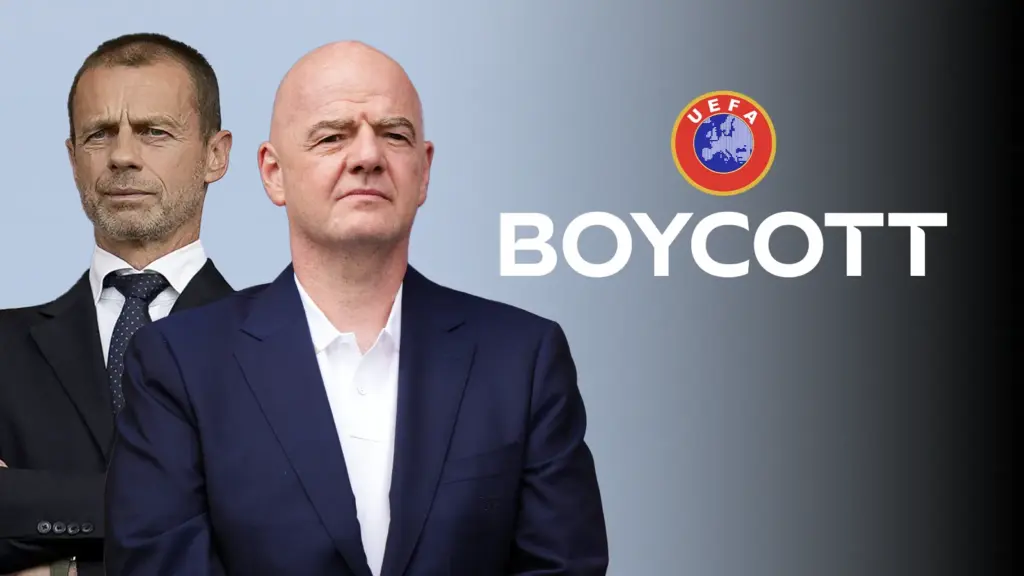

UEFA and its 55 national associations have collectively rejected FIFA‘s proposal to transfer ownership interests in the World Cup and other FIFA competitions to private investors. Following a unanimous vote, UEFA has stated that its national teams will not participate in any FIFA competition if these proposals remain active.
The decision was made during an emergency meeting on Thursday afternoon, where all 55 member associations voted against the plan. UEFA described the proposal as an “irresponsible and indefensible” attempt to treat the World Cup as an investment product, rather than a sporting legacy built over generations.
Casino Bonuses

100% up to £500 + 100 Free Spins
- Welcome Package up to £1,000
- 50 Free Spins on Your First Deposit

100% up to £1,000 + 150 Free Spins
- Up to £2,000 Across 3 Deposits
- 25 No-Deposit Free Spins
Concerns over private ownership
Laura McAllister, UEFA vice-president, accused FIFA of attempting to blackmail member associations into accepting the private equity plan. She highlighted that the proposal was developed in secret and brought close to approval without meaningful consultation with those responsible for stewarding the game. McAllister, who was elected to her position in 2023, referred to the situation as a “genuine existential threat to the game.”
The core of UEFA‘s opposition stems from the belief that external investors acquiring ownership interests would fundamentally alter football. The organisation argues that commercial return would become a permanent obligation, and investor expectations would become a daily pressure. This, they contend, would mean decisions on the international calendar, competition formats, and the future of football would be driven by serving shareholders rather than the game itself.
UEFA‘s statement emphasised that football’s future should not be dictated by those whose primary duty is to maximise financial returns. It also asserted that the interests of national associations, leagues, clubs, players, and supporters should not be subordinate to investor returns. The organisation’s position is that football cannot mortgage its future for financial gain.
Boycott implications
The boycott by UEFA‘s 55 member associations would encompass all FIFA competitions, including the men’s and women’s World Cups and the Club World Cup. This stance would be triggered if FIFA president Gianni Infantino‘s proposals are approved by member associations globally. McAllister expressed hope that the boycott would not become necessary but affirmed it is not an empty threat.
The Football Association of Wales chief executive Noel Mooney was among those who voiced concerns at the virtual emergency meeting. The FA, through a spokesperson, stated its full support for the collective view of its European colleagues, opposing FIFA‘s plans and affirming that the FIFA World Cup belongs to football. The Scottish FA also agreed with the concerns regarding the manner in which the proposals were issued and the deadline set without proper consultation.
The Premier League, a founding member of the European Leagues, has also backed UEFA‘s position. The first potential test of UEFA‘s boycott for senior teams could occur in October with the 2027 Women’s World Cup qualifier play-offs, which England, Scotland, Wales, Northern Ireland, and the Republic of Ireland are scheduled to play in. Before that, the U20 Women’s World Cup is set to begin in September, with England expected to participate in Poland.
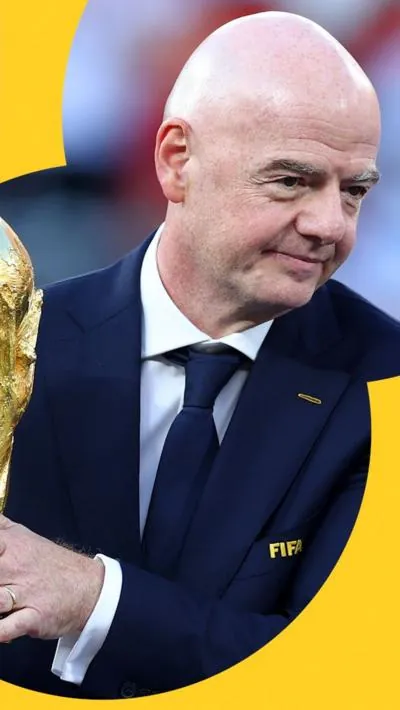
FIFA‘s proposal involves launching FIFA Forward Enterprise (FFE), which would consolidate the sale of FIFA‘s commercial rights, including broadcasting, sponsorship, ticketing, and licensing, with the operational delivery of its tournaments. The plan aims to raise up to $4.2bn from external investors by selling minority, non-controlling stakes in FFE, which FIFA estimates would be valued at approximately $20bn. FIFA suggests these plans could provide over $10bn in football development funding over the next four years, pending approval from member associations.
UEFA‘s statement concludes that the World Cup belongs to football and will always remain so, asserting that as long as Europe has a voice, it will never be for sale.
Source: uefa.com

George Hartwell is the Senior Football Correspondent at News-GB.org, covering the Premier League, the EFL and the England national side with twelve years of reporting experience. He reported on West Country football before national coverage. He holds a degree in Sports Journalism from the University of the West of England and completed an NCTJ diploma. Based in Bristol, he watches grassroots football and writes a tactics column. “Tactics tell you more than any scoreline.”
